


Total knee replacement (TKR) is one of the most common orthopaedic procedures in Europe -- over 100,000 are performed annually in the UK alone. The post-operative mobility trajectory follows a defined arc, and the walking cane has a specific role within it that many patients do not understand clearly before surgery.
Post-TKR Recovery and Mobility Aid Progression
Mobility aid use after knee replacement typically follows this sequence:
- Day 1-2 post-surgery: Walking frame (Zimmer frame) -- weight bearing is permitted almost immediately in most TKR protocols, but the frame provides the support required during the immediate post-anaesthetic period
- Days 3-14: Crutches (bilateral) -- the frame is discarded as the patient gains more strength and mobility. Crutches allow a more normal gait pattern than a frame
- Week 2-6: Single crutch or walking cane -- transition from bilateral to unilateral support. The cane is held on the non-operative side (to reduce load on the replaced knee), which is the standard cane-side rule for lower limb conditions
- Week 6+: No aid (if rehabilitation proceeding normally) -- but many patients continue to use a cane beyond 6 weeks and sometimes for months, which is appropriate
The Cane Side Question After TKR
The standard rule applies: the cane is held in the hand opposite the operated knee. When the operated leg is in its stance phase (carrying body weight), the cane in the opposite hand is simultaneously planted -- creating a cross-support that reduces the peak load on the replaced knee by 15-20% of body weight. This is the mechanically correct side regardless of which knee feels stronger.
Why Some Patients Hold the Cane on the Wrong Side
Patients instinctively hold the cane on the side of the pain or weakness, which feels more intuitive. This is biomechanically incorrect: holding the cane on the operated side creates ipsilateral rather than contralateral support, which reduces the knee offloading benefit substantially. Physiotherapists teach the correct side during in-patient rehabilitation, but patients who miss this instruction often default to the intuitive but incorrect position.
Recovery Milestones and Cane Discontinuation
| Recovery Week | Typical Function | Typical Aid Used |
|---|---|---|
| Week 1-2 | Early walking in ward, frame | Zimmer frame |
| Week 2-4 | Home walking, short distances | Crutches or cane |
| Week 4-8 | Community walking, stairs | Single cane |
| Week 8-12 | Improving endurance, less pain | Cane for longer distances |
| Week 12+ | Returning to most activities | Cane optional, or no aid |
Why Rushing Cane Discontinuation Is Counterproductive
There is social and personal pressure to discontinue the cane as soon as possible -- it feels like progress to walk without one. But premature cane withdrawal before strength and proprioception are restored leads to:
- Compensatory gait patterns (limping) that stress the other knee and the hip
- Greater energy expenditure per step, causing fatigue and reducing rehabilitation exercise capacity
- Higher fall risk in the early recovery period
The correct marker for cane discontinuation is functional -- symmetrical gait without compensatory limp, adequate quadriceps strength (typically tested by single-leg sit-to-stand) -- not a time threshold.
Returning to Normal Walking Confidence
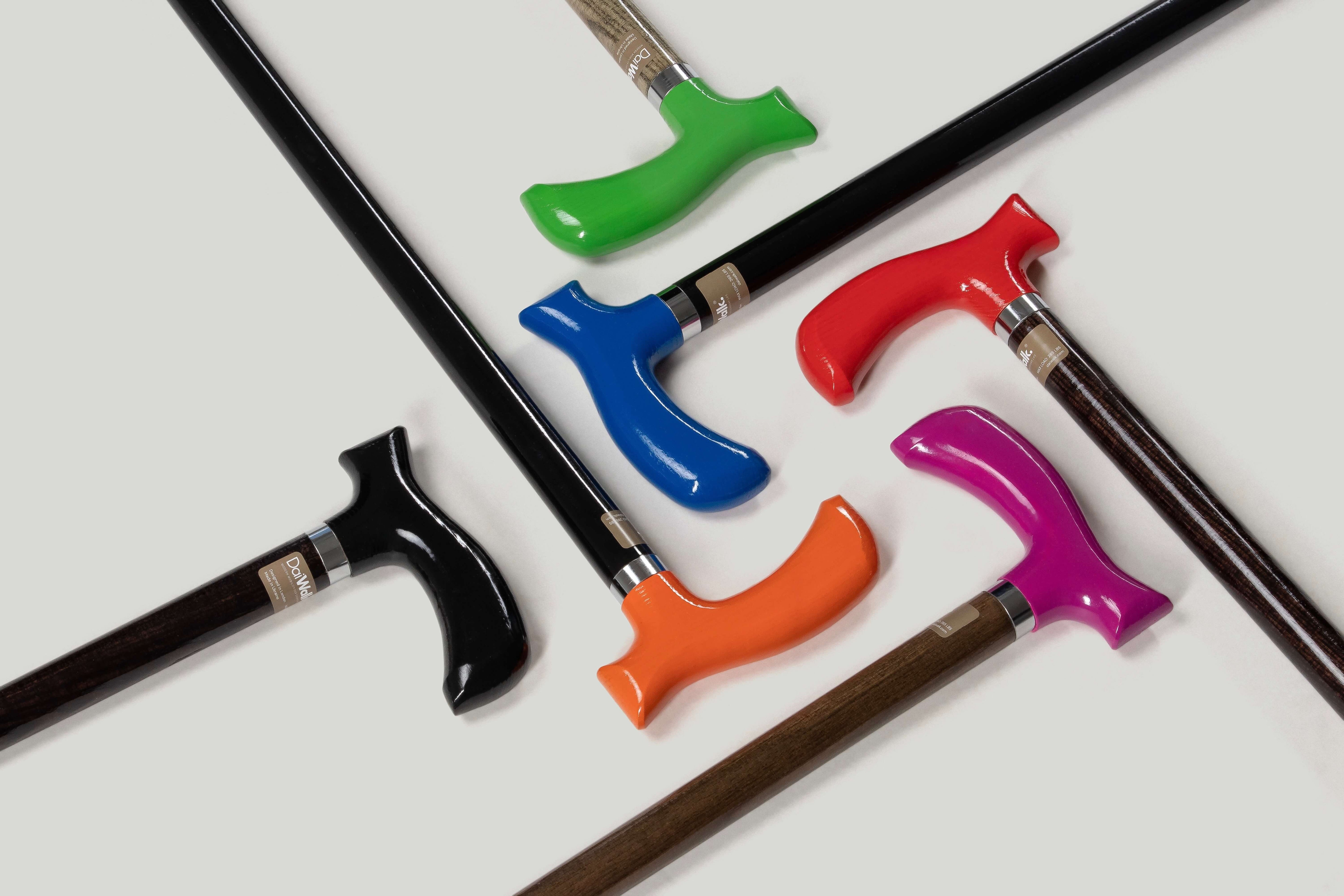
The cane also plays a psychological role in post-TKR recovery: it provides a confidence margin that allows patients to attempt activities they would otherwise avoid. A patient who walks further because they feel secure with a cane recovers strength faster than one who stays home. The DaiWalk range provides a cane that patients are willing to carry in social settings -- not something they leave home to avoid being seen with.
View the DaiWalk cane range and use the cane length calculator to determine your post-TKR cane height.
Related reading: Walking Cane After Hip Replacement | Walking Cane for Knee Osteoarthritis


