


Autism spectrum disorder (ASD) and sensory processing disorder (SPD) are not primarily mobility conditions -- they do not directly impair the muscular or skeletal systems involved in walking. However, a significant proportion of autistic individuals and those with sensory processing differences have motor coordination differences, proprioceptive differences, and sensory sensitivities that affect walking and outdoor mobility in ways that a walking cane can sometimes address.
Motor and Proprioceptive Differences in Autism
Research indicates that many autistic individuals have differences in:
- Motor coordination (dyspraxia co-occurring with autism is common)
- Proprioceptive processing -- the brain processes proprioceptive input differently, affecting balance calibration
- Balance and postural control -- some autistic individuals have measurably less steady balance than neurotypical peers
- Gait differences -- variable cadence, unusual arm swing patterns, different weight distribution
Sensory Seeking and the Walking Cane
Some autistic individuals are sensory seekers -- they find proprioceptive input regulating and calming. A walking cane provides additional proprioceptive input through the hand and arm with every step. This sensory input can:
- Provide tactile regulation -- the rhythmic sensory input of the cane tap may be grounding and calming
- Improve balance calibration through the additional sensory channel
- Reduce anxiety during outdoor walking by providing a predictable sensory anchor
Sensory Sensitivities and Cane Material
Sensory sensitivities are highly individual in autism. Some considerations:
- The vibration transmitted through the cane shaft on each tap may be welcome (sensory seeking) or aversive (sensory sensitivity). Wood damps vibration 25-60 times better than aluminium, providing a softer sensory input per tap
- Handle texture is important -- some individuals find certain textures deeply uncomfortable; others prefer specific textures for sensory reasons
- The weight and balance of the cane contributes to the proprioceptive experience
Social Aspects of Cane Use in Autism
Autistic individuals in public spaces may face the additional anxiety of navigation, crowds, and unpredictable environments. A walking cane visually signals disability status, which can result in more predictable and accommodating behaviour from others -- reducing some of the social unpredictability that autistic individuals find difficult.
Motor Difference and Cane Benefit Summary
| Difference | Walking Impact | Cane Benefit |
|---|---|---|
| Proprioceptive processing difference | Balance calibration less reliable | Additional proprioceptive ground reference channel |
| Motor coordination (dyspraxia) | Uneven gait; trip risk; terrain difficulty | Balance support; confidence on uneven surfaces |
| Sensory seeking (proprioceptive) | May seek additional sensory input | Rhythmic tactile input of cane tap; regulatory effect |
| Anxiety in public spaces | Avoidance of outdoor activity | Visible disability signal; sensory anchor; confidence |
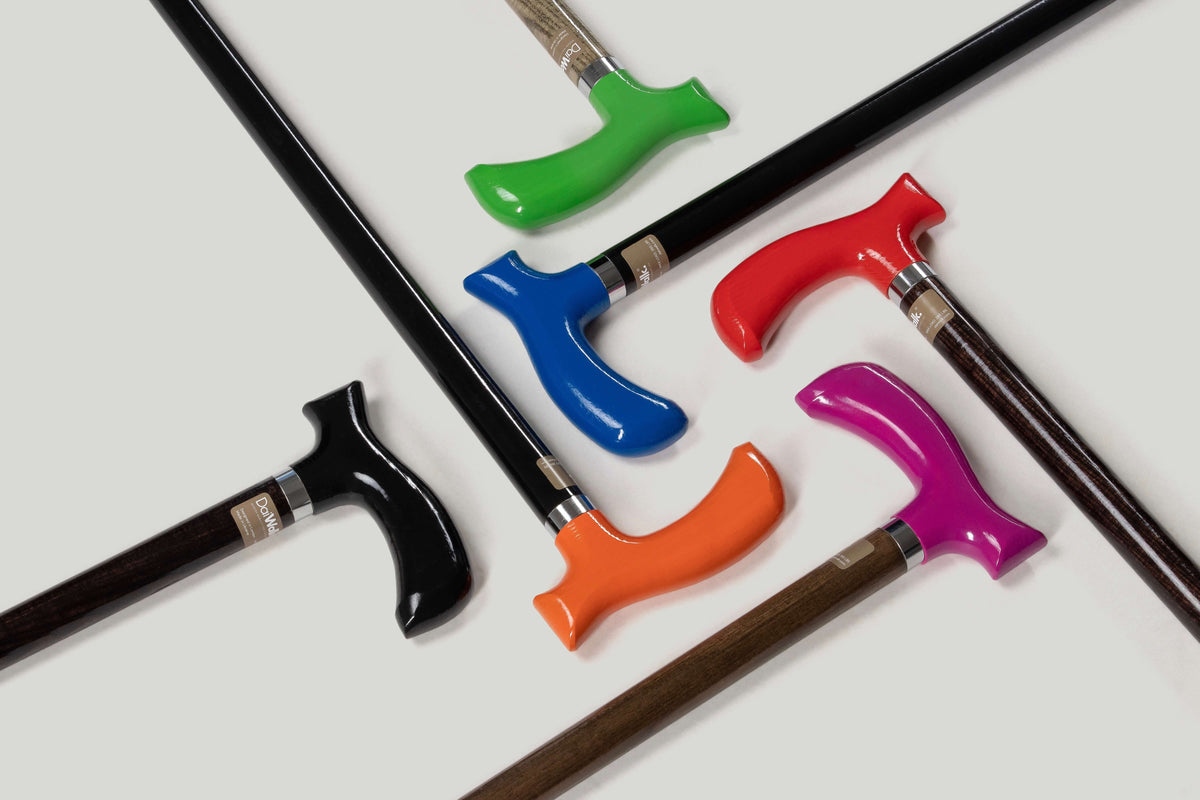
Explore DaiWalk walking canes with premium wood shafts for vibration-damped sensory input.


