


Spina bifida is a neural tube defect occurring in early embryonic development when the neural tube fails to close completely. The three main types range from spina bifida occulta (hidden; usually asymptomatic) to meningocele (meningeal protrusion without neural tissue; usually mild) to myelomeningocele (MMC; the most severe; spinal cord and nerves protude, causing permanent neurological impairment). Most walking cane guidance for spina bifida focuses on myelomeningocele, which causes varying degrees of lower limb paralysis, sensory impairment, and musculoskeletal deformity depending on the level of the defect.
Spina Bifida Level and Walking Ability
The spinal level of the myelomeningocele determines which nerve roots are preserved and thus what lower limb function remains. Higher lesions (thoracic) cause complete lower limb paralysis; lower lesions (sacral) preserve much of lower limb function.
| Lesion Level | Muscle Function Preserved | Typical Walking StatusWalking Aid | |
|---|---|---|---|
| Thoracic (T6-T12) | Minimal lower limb; trunk | Household walking with KAFOs; wheelchair for community | Frame / KAFOs; no single cane; wheelchair primary |
| High lumbar (L1-L2) | Hip flexors partially; no knee or ankle control | Household with HKAFOs; wheelchair community | Frame or bilateral crutches; wheelchair primary |
| Mid lumbar (L3-L4) | Quadriceps; hip flexors; some ankle | Community walking with AFOs; crutches or canes | Bilateral forearm crutches then canes as strength improves |
| Low lumbar (L4-L5) | Good quadriceps and tibialis; partial plantar | Community walking; AFO for foot drop; cane or no aid | Single cane contralateral to weaker side; AFO |
| Sacral (S1-S2) | Near-normal lower limb; plantar flexion weak | Near-normal walking; some balance deficit | Cane for balance and endurance; often no aid needed |
Adult Spina Bifida and Cane Need in Later Life
Adults with spina bifida who walked independently in childhood may experience functional decline in adulthood. Reasons include: spinal cord tethering (tethered cord syndrome, causing progressive neurological deterioration as the child grows), Chiari II malformation (associated with MMC, causing cerebellar and brainstem dysfunction), orthopaedic deformity (scoliosis, hip dislocation) becoming more symptomatic, and obesity (common due to metabolic effects of paralysis and reduced activity). Adults who previously walked without a cane may need one in their 30s or 40s.
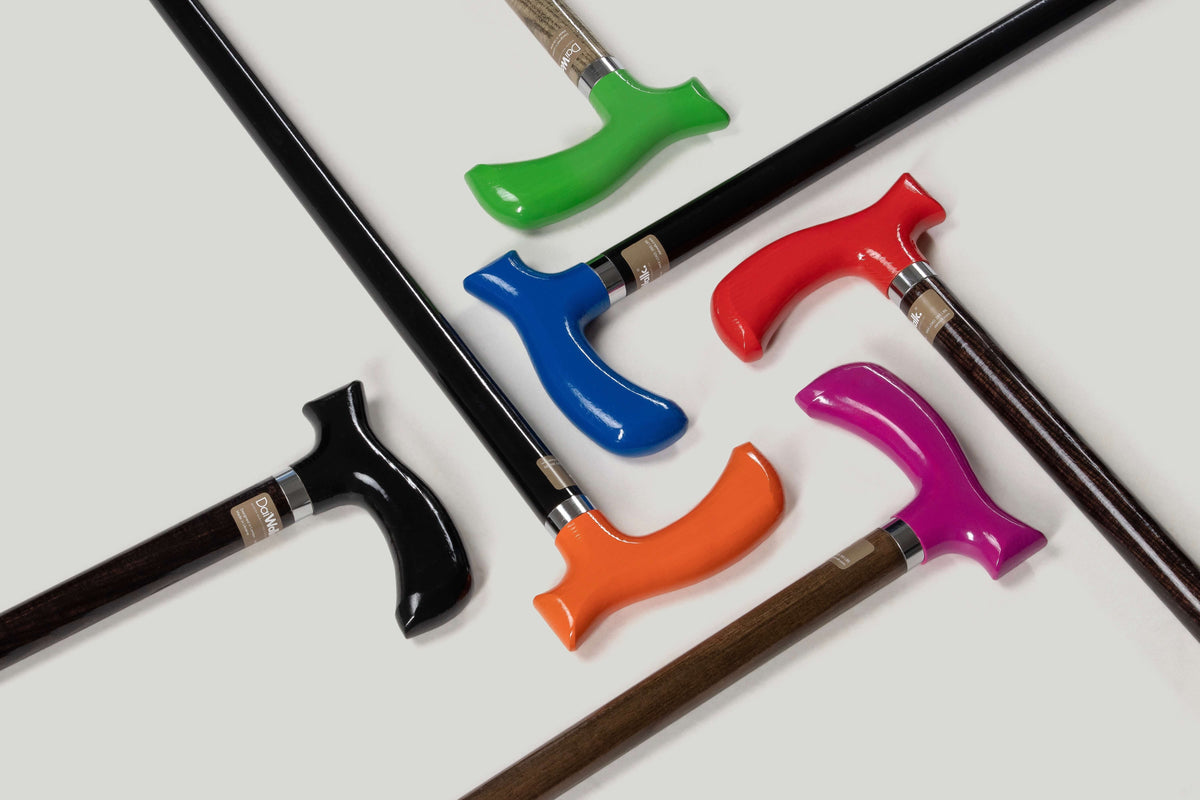
Explore DaiWalk walking canes. Related: Walking Cane for Spinal Cord Injury | Walking Cane for Foot Drop.


