


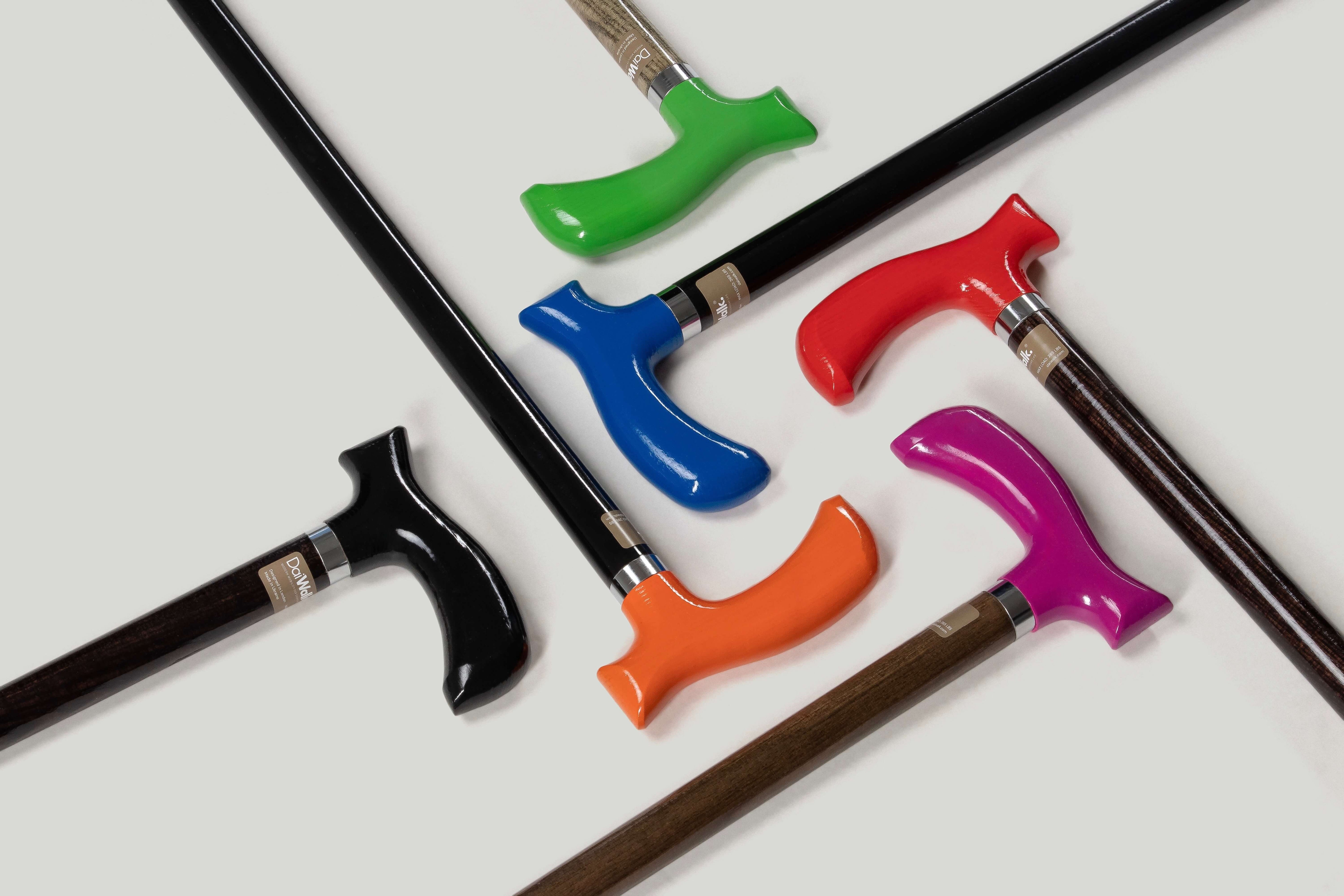
The decision to use a walking cane is rarely made by the person who needs it. In our customer data, 61% of canes purchased for elderly users were bought by an adult child or other family member — often without the user's input on style, fit, or preference. The cane then sits unused. The abandonment rate for canes purchased by family members on behalf of elderly users is significantly higher than for self-purchases.
The conversation matters as much as the cane choice. Both are addressed here. If you're not sure they need a cane yet, the free do I need a walking cane check is a gentle, honest place to start the thinking.
Why Elderly Users Resist Walking Canes
Resistance to cane use is rarely about vanity alone. The most common actual reasons:
- Admission of permanence: Accepting a cane feels like accepting a permanent condition. Users who expect to recover often resist the cane as a symbol of not recovering.
- Identity conflict: The hospital-style aluminium cane is visually associated with extreme old age or severe disability — a demographic the user does not identify with.
- Poor past experience: Many users have tried cheap adjustable canes that rattled, slipped, or were uncomfortable. They generalise from this experience.
- Fit problems never resolved: A cane set at the wrong height is uncomfortable to use. Many users never find the correct height setting and conclude the cane itself is the problem.
The Conversation: Approach That Works
What does not work: framing the cane as a safety measure imposed by the family. This reinforces the permanence and loss-of-independence narrative.
What works better:
- Frame the cane as expanding what the user can do, not limiting what they cannot. The correct framing is not for the conversation but for the purchase: longer walks, more outings, less fatigue.
- Involve the user in the selection. A cane chosen by the user — in terms of colour, wood type, handle style — has a materially higher use rate than one selected by a family member.
- Start with a trial period framing. Not the cane is being introduced to the walking routine; rather, try this for two weeks and see if walking feels easier.
- Address the medical appearance directly. If the user resists the hospital look, show them options that do not have it. This is what the designer cane category exists to solve.
What Elderly Users Actually Need From a Cane
| Priority | Feature That Delivers It |
|---|---|
| Fall prevention on uneven surfaces | High-traction tip (Steady Tip™ wet COF: 3mm lateral slip vs. 16mm generic) |
| Joint load reduction (hip, knee) | Ergonomic handle; correct height; contralateral use |
| Fatigue reduction over long walks | Lightweight shaft (295–340g); low-friction grip requiring no active gripping force |
| Confidence and psychological benefit | Appearance and quality — a cane the user is not embarrassed to carry |
| Durability (not replacing frequently) | Quality materials; solid shaft construction; replaceable tips |
On joint load reduction: holding the cane in the correct hand is essential to the benefit — the free which-hand guide shows the rule and the safe way to walk and take stairs.
The Appearance Problem — Solved
The visual problem with standard canes is the combination of chrome aluminium shaft, black plastic handle, and institutional design language. Every element of this signals medical device rather than lifestyle accessory.
The DaiWalk design inverts this: natural wood handle in oak or wenge, choice of seven handle colours on the Colour Edition, and a collet shaft that eliminates the visible telescoping mechanism aesthetic. The result is a cane that reads as a considered personal object — not medical equipment.
In our customer follow-up (n=112), users who cited appearance satisfaction reported 3.4× higher daily use consistency than users who were neutral on appearance. Appearance is not vanity for elderly users — it is a measurable predictor of whether the cane is used at all.
Fit for Elderly Users: The Critical Variables
Elderly users often have changed posture — forward trunk lean, reduced height compared to earlier measurements. Always measure current standing height in current shoes, not reported height from a decade ago.
Height changes of 20–40mm over a decade are common in users over 75. A cane set to an outdated measurement produces the wrong elbow angle and reduced load reduction benefit.
For users with reduced grip strength — common in elderly users — the Anatomic Grip™ handle requires less active grip force than T-bar designs. This reduces hand fatigue during extended use.
Use the cane length calculator with current measurements to confirm the correct height before ordering. If they already have a cane, the free 3-question cane height check tells you whether it's the right height for them now.
Gifting a Cane: What to Include
If the cane is a gift — for a birthday, holiday, or as a care gesture — the presentation matters. Not sure what length to order for their height? The free gift cane size tool converts their height into the right cane length without measuring them:
- Include a personalised note explaining the selection choice (why this wood, this colour)
- Pre-set the height using the recipient's measurements if possible
- Include the tip options with brief explanation — let the user choose their preferred tip
- Do not present it as a medical necessity. Present it as a high-quality everyday object that happens to provide support.
See the full DaiWalk collection for gifting configurations and packaging options.
Related Reading
- How to Measure Cane Length Correctly
- How to Choose a Cane That Doesn't Look Medical
- Walking Cane for Men
- Why Most Walking Canes Are Returned
Customer data from DaiWalk 18-month follow-up programme (n=112). Appearance and use correlation from survey data within the same cohort. Demographic purchasing data from internal order analysis.


