


Fibromyalgia (FM) is a central sensitisation syndrome characterised by widespread musculoskeletal pain, fatigue, sleep disturbance, and cognitive difficulties (fibro fog). FM affects approximately 2-4% of the population, with higher prevalence in women. Unlike inflammatory arthritis or joint disease, fibromyalgia is not caused by structural tissue damage -- the pain is generated by augmented central nervous system pain processing. This distinction is critical for understanding when a walking cane helps in fibromyalgia and when it does not.
How Fibromyalgia Affects Gait
Fibromyalgia impairs gait through central sensitisation mechanisms rather than mechanical joint problems:
- Widespread pain: diffuse pain in muscles, tendons, and soft tissues causes guarded, antalgic gait modifications
- Fatigue: severe, often disproportionate fatigue limits walking distance and endurance; fatigue after minimal exertion is characteristic
- Cognitive load effects: dual-task walking (walking while talking or thinking) is impaired in FM; patients slow down more than controls when performing concurrent cognitive tasks
- Sleep deprivation: non-restorative sleep is universal in FM; chronic sleep deprivation impairs balance and coordination
- Deconditioning: activity avoidance due to pain and fatigue leads to progressive deconditioning, worsening functional capacity
Walking Cane in Fibromyalgia: Evidence-Based Position
A walking cane is not a standard treatment for fibromyalgia and should not be the primary intervention. The concern is that using a cane may reinforce avoidance behaviour and contribute to further deconditioning -- the opposite of what the evidence supports (graded exercise therapy is the most evidence-based treatment for FM). However, a cane has specific justified uses:
- During severe FM flares when pain and fatigue combination makes walking genuinely unsafe
- When FM co-exists with a structural condition (OA, hip pain, post-surgical) that independently indicates cane use
- For older adults with FM where fall risk from fatigue and sleep deprivation is a genuine safety concern
- Short-term use to maintain some activity level during the worst flares
Fibromyalgia vs Other Conditions: Cane Appropriateness
| Condition | Cane Appropriate? | Primary Reason |
|---|---|---|
| Fibromyalgia (alone) | Conditional; not primary treatment | Risk of reinforcing avoidance; graded exercise preferred |
| FM plus OA (hip or knee) | Yes | OA provides structural indication; cane appropriate for both |
| FM plus fall risk (older adult) | Yes | Safety indication overrides deconditioning concern |
| ME/CFS (distinct from FM) | Yes; post-exertional malaise requires pacing | PEM means exertion management is essential; cane helps pace activity |
Activity Pacing and the Cane in FM
If a cane is used in fibromyalgia, it should be integrated into a pacing strategy -- not used to enable walking further than the patient can recover from (boom-bust cycle avoidance). The cane is a tool to conserve energy at the margin and maintain some activity on bad days, not to push through to more exertion than is sustainable.
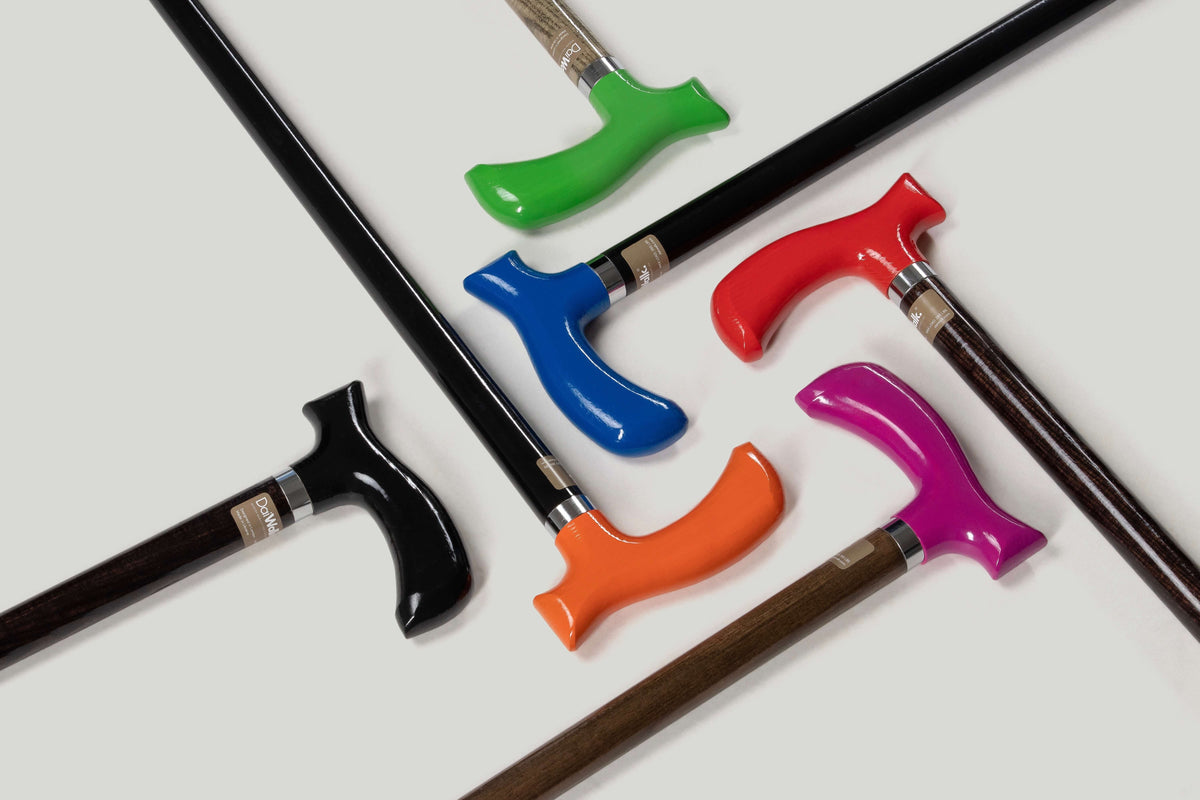
Explore DaiWalk walking canes. Related: Walking Cane for ME/CFS | Walking Cane for Chronic Pain.


