


Lipedema is a chronic condition characterised by a symmetrical, abnormal deposition of subcutaneous fat in the lower limbs -- typically from the hips to the ankles, sparing the feet -- causing disproportionate leg enlargement, pain, easy bruising, and tenderness to touch. It is distinct from obesity (the fat distribution does not respond to caloric restriction in the way that general adiposity does) and from lymphoedema (though late-stage lipedema may progress to lipo-lymphoedema). It affects almost exclusively women and is significantly underdiagnosed.
How Lipedema Limits Walking
The walking limitations in lipedema are multifactorial:
- Limb heaviness: The increased mass of abnormal fat tissue in the lower limbs significantly increases the metabolic cost of walking. Swinging a heavier leg requires more hip flexor effort per step; the total energy cost of walking is substantially higher than for a person of comparable total body weight without the lipedema fat distribution
- Pain with contact and pressure: Lipedema tissue is characteristically tender to compression. Compressive sock/stocking use (a primary treatment) and prolonged dependent positioning (standing, walking) cause pain
- Gait mechanics alteration: The bulky medial thighs in lipedema force a wider-based gait and may cause medial knee contact (chafing) and altered hip mechanics
- Fatigue: The combination of increased mechanical work and the pain provoked by walking produces rapid fatigue that limits walking distance significantly
Cane Role in Lipedema
A cane in lipedema does not address the fat deposition directly. Its role is mechanical and fatigue-management:
- Reduces postural muscular demand: Upper limb loading through the cane reduces the postural effort required from the already-overloaded lower limb muscles, extending walking tolerance before fatigue-enforced rest
- Reduces impact on painful tissue: Ground impact transmitted through the foot compresses the lipedema tissue upward with each heel strike. A cane with a cushioned tip reduces peak ground impact, reducing the pain provoked by this compression per step
- Confidence on uneven terrain: The wider-based, modified gait of lipedema reduces stability on uneven terrain; the cane provides an additional contact point
Lipedema Stage and Cane Relevance
| Lipedema Stage | Lower Limb Feature | Cane Benefit |
|---|---|---|
| Stage I (smooth skin surface) | Moderate enlargement; pain on pressure | Occasional use for longer walks when fatigue is limiting |
| Stage II (walnut-dimple surface) | Nodular, irregular fat; increased pain | Regular use; reduces impact and postural demand |
| Stage III (lobular deformities) | Large lobules; severely altered gait; lipo-lymphoedema possible | Essential; cane or forearm crutches; compression therapy alongside |
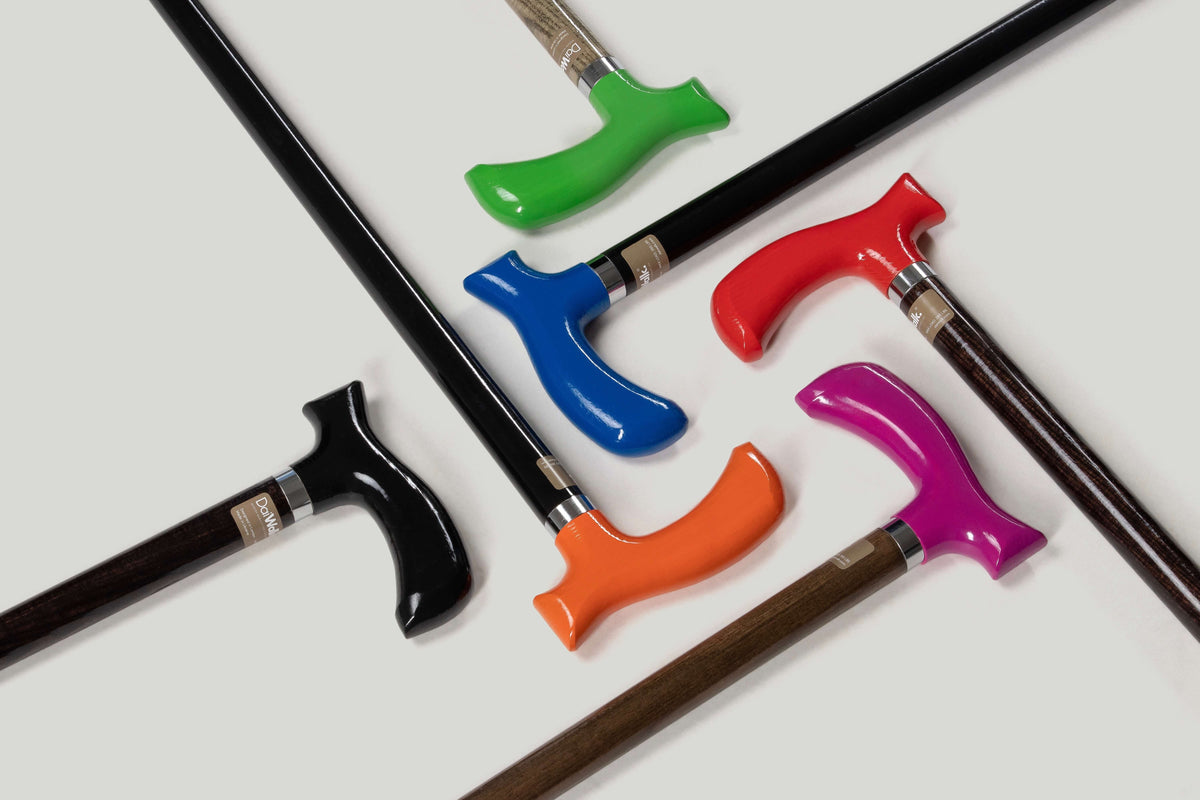
Explore DaiWalk walking canes and cushioning tip options. Related: Walking Cane for Obesity and Metabolic Syndrome


