


Systemic lupus erythematosus (SLE) presents a mobility management challenge different from most rheumatic diseases: the disease is episodic, unpredictable, and systemic. A patient may be fully ambulatory for weeks and then experience a flare that substantially limits walking within days. The cane must therefore be treated as a variable-need tool, not a permanent fixture -- and the decision about when to use it must be made at the individual flare level, not once at diagnosis.
How Lupus Affects Mobility
Arthritis and arthralgia: Over 90% of SLE patients experience joint involvement. Unlike RA, lupus arthritis is typically non-erosive -- but it is painful and can be severely limiting during flares. The small joints of the hands, wrists, and knees are most commonly affected. Lupus arthritis can shift between joints unpredictably between flares.
Fatigue: Lupus fatigue is among the most severe and debilitating of any chronic disease. It is not simply tiredness -- it is a profound energy limitation that affects the ability to sustain any physical activity, including walking, even when joint symptoms are relatively mild. Fatigue is reported as the most disabling symptom by the majority of SLE patients.
Avascular necrosis: Corticosteroid use (common in lupus management) causes avascular necrosis (AVN) in a subset of patients, most commonly affecting the femoral head. AVN produces severe hip pain and functional limitation that directly impairs gait. For a detailed guide, see the separate Walking Cane for Avascular Necrosis article.
Lupus nephritis and systemic effects: Renal involvement, anaemia of chronic disease, and pleuritis can all reduce exercise capacity and ambulation tolerance independently of joint symptoms.
Flare-Based Cane Decision Framework
| Flare Status | Joint Symptom | Fatigue Level | Cane Decision |
|---|---|---|---|
| Remission | Minimal | Manageable | Not required unless AVN or other structural issue |
| Mild flare | Mild joint pain | Elevated | Consider for extended distances or full-day outings |
| Moderate flare | Moderate arthritis | High | Daily use recommended |
| Severe flare | Severe arthritis / AVN | Severe | Essential; review whether cane is sufficient or rollator needed |
Fatigue-Specific Cane Use Strategy
Lupus fatigue does not always coincide with joint symptoms. A patient may have acceptable joint comfort but be so fatigued that walking safely is impaired -- reaction time slows, concentration reduces, and the ability to make rapid postural corrections is compromised. In this case, the cane is needed for fatigue-related safety rather than pain management.
The cane reduces metabolic cost of walking by approximately 5-10% through load transfer and gait optimisation. This is not large, but for lupus patients with severely limited energy reserves, a 5-10% energy saving can extend the tolerable walking distance meaningfully.
Hand and Wrist Involvement: Handle Selection
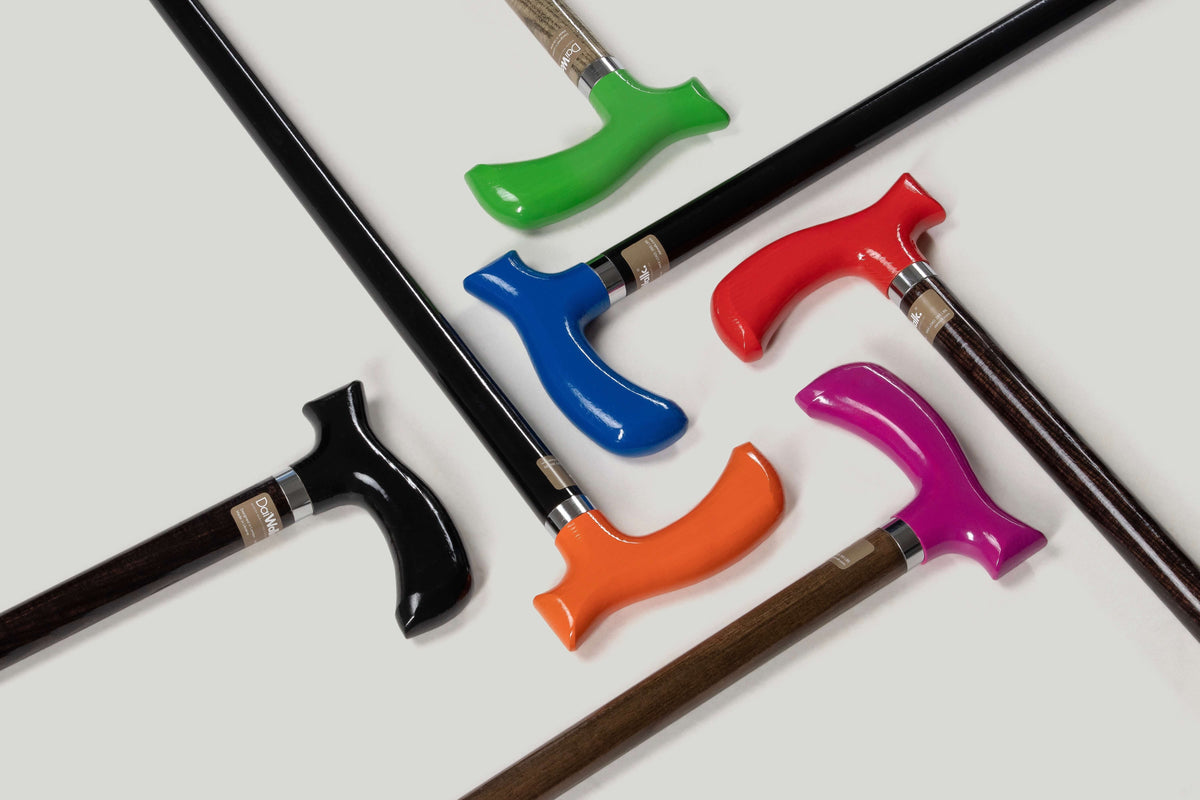
When lupus arthritis involves hand and wrist joints (common), the choice of cane handle must account for the hand condition, not just the lower limb need. The Anatomic Grip distributes pressure across the palm rather than concentrating it at the metacarpophalangeal joints -- relevant when MCP joints are affected by lupus arthritis. See the related article on cane handles for hand conditions.
View the full DaiWalk range and use the 3D configurator to configure a cane suited to variable-use lupus patterns.
Related reading: Walking Cane for Avascular Necrosis | Walking Cane for Rheumatoid Arthritis


