


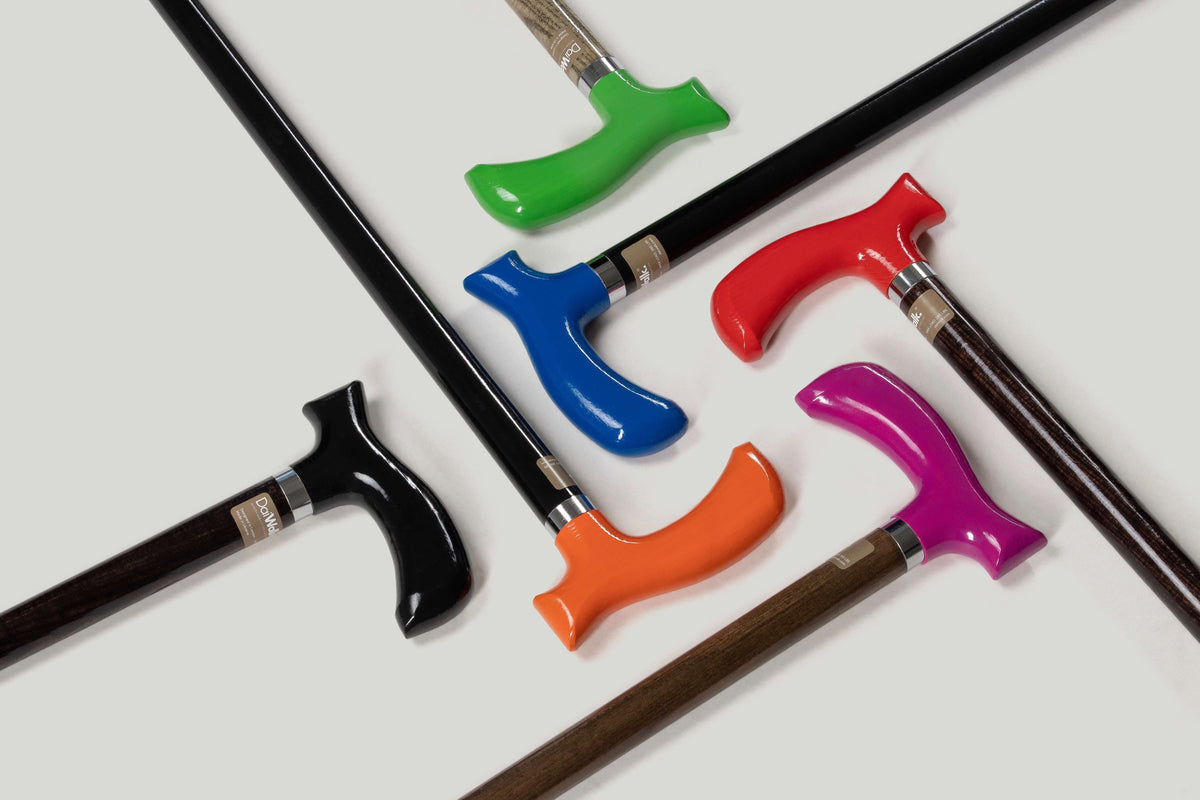
Systemic lupus erythematosus (SLE) is a systemic autoimmune disease affecting multiple organ systems. From a mobility perspective, the challenges are varied and fluctuating: arthritis during flares, profound fatigue, steroid-induced complications including avascular necrosis and myopathy, and renal or pulmonary involvement that limits exercise tolerance. Cane use in lupus is therefore not a single decision but an adaptive one -- the person may need the cane intensely during a flare and not at all in remission.
SLE Features That Limit Walking
- Arthritis (non-erosive): Joint pain and swelling in the hands, wrists, knees, and ankles is common during SLE flares. Unlike rheumatoid arthritis, SLE arthritis is typically non-erosive and does not destroy cartilage -- but it causes significant pain and reduced range of motion acutely
- Lupus fatigue: Profound fatigue is one of the most disabling features of SLE and the most underestimated. Unlike the tiredness of poor sleep, lupus fatigue is a pathological fatigue that makes ordinary activity disproportionately exhausting. Walking tolerance is severely reduced even when joints are not actively inflamed
- Avascular necrosis (AVN): Long-term corticosteroid use in SLE is the primary risk factor for AVN, particularly of the femoral head (hip AVN). This is one of the most disabling musculoskeletal complications in lupus and produces severe hip pain, limited walking, and often progresses to total hip replacement. A cane is essential in symptomatic hip AVN
- Steroid myopathy: Prolonged high-dose steroid use causes proximal muscle weakness (hip extensors, hip abductors, quadriceps), affecting gait stability
Cane Use in SLE: Flare vs Remission Strategy
SLE is characterised by unpredictable flares and remissions. The practical implication for cane use:
- During a flare: the cane may be essential for pain management and fall prevention
- Between flares: many SLE patients have adequate mobility without a cane
- The cane should be available and correctly fitted at all times, not retrieved from a cupboard only when the flare is already severe
AVN of the Femoral Head in SLE: Cane is Critical
Avascular necrosis of the femoral head in lupus patients typically presents as groin pain worsening with weight-bearing. The cane is held contralateral to the affected hip (left hand for right hip AVN) to reduce femoral head loading during walking. The reduction in hip joint load during single-leg stance is estimated at 20-30% with correct contralateral cane use.
SLE Feature and Cane Role Summary
| SLE Feature | Frequency | Cane Role |
|---|---|---|
| Arthritis (flare) | Very common | Reduces lower limb joint load during acute flare; held contralateral to most symptomatic joint |
| Lupus fatigue | Very common | Reduces postural muscular demand; extends walking distance before fatigue-enforced stop |
| AVN femoral head | Common (steroid-related) | Essential; contralateral cane reduces femoral head load 20-30% |
| Steroid myopathy | Common (long-term steroids) | Compensates for hip abductor/extensor weakness; contralateral use |
| Renal/pulmonary involvement | Variable | Cane reduces aerobic demand of walking; extends distance before dyspnoea or fatigue limit |
Explore DaiWalk walking canes. Related: Walking Cane for Rheumatoid Arthritis | Walking Cane for Hip Osteoarthritis


