


Calf strain is one of the most common soft-tissue injuries in running and ball sports. The gastrocnemius and soleus muscles -- together the triceps surae -- are the primary plantarflexors of the ankle and are heavily loaded during the push-off phase of gait. A calf strain ranges from Grade I (minor tear, full weight-bearing possible with pain) to Grade III (complete muscle rupture, immediate inability to weight-bear).
Calf Strain Grades and Cane Role
| Grade | Injury | Weight-Bearing | Cane Role |
|---|---|---|---|
| Grade I | Minor tear (less than 10% fibres); localised pain | Full; pain with push-off | Cane optional; reduces push-off demand; useful for long distances |
| Grade II | Partial tear (10-50%); palpable defect; significant bruising | Partial; significant antalgic limp | Cane recommended; reduces plantarflexion load; reduces limp |
| Grade III | Complete rupture; may feel or hear a pop; complete loss of plantarflexion strength | Non-weight-bearing to minimal; severe limp | Crutches initially; cane transition at 3-4 weeks with boot |
Which Side to Hold the Cane for a Calf Strain
The cane should be held in the hand opposite the injured calf (contralateral hand). During the stance phase, the cane contacts the ground during ipsilateral (injured leg) swing, providing ground reaction force that reduces the push-off demand on the injured calf at the end of stance.
Grade III Calf Tear: Distinguishing from Achilles Tendon Rupture
Both Grade III gastrocnemius/soleus tear and Achilles tendon rupture present with sudden posterior leg pain and loss of plantarflexion strength. The key differentiator is the Thompson squeeze test: squeezing the calf muscle belly should produce passive ankle plantarflexion; if it does not, the Achilles is ruptured (test positive for rupture). This distinction matters because Achilles tendon rupture has different surgical implications. Both conditions require crutches initially, transitioning to a cane as weight-bearing is progressively restored.
Eccentric Loading and the Cane Transition
Eccentric calf loading (single-leg heel drops off a step) is the cornerstone of Grade II-III calf rehabilitation. A cane may be needed for balance during the early phases of eccentric loading exercises when the patient transitions off crutches. The cane provides a stable third contact point, allowing safe eccentric exercise before full balance is restored.
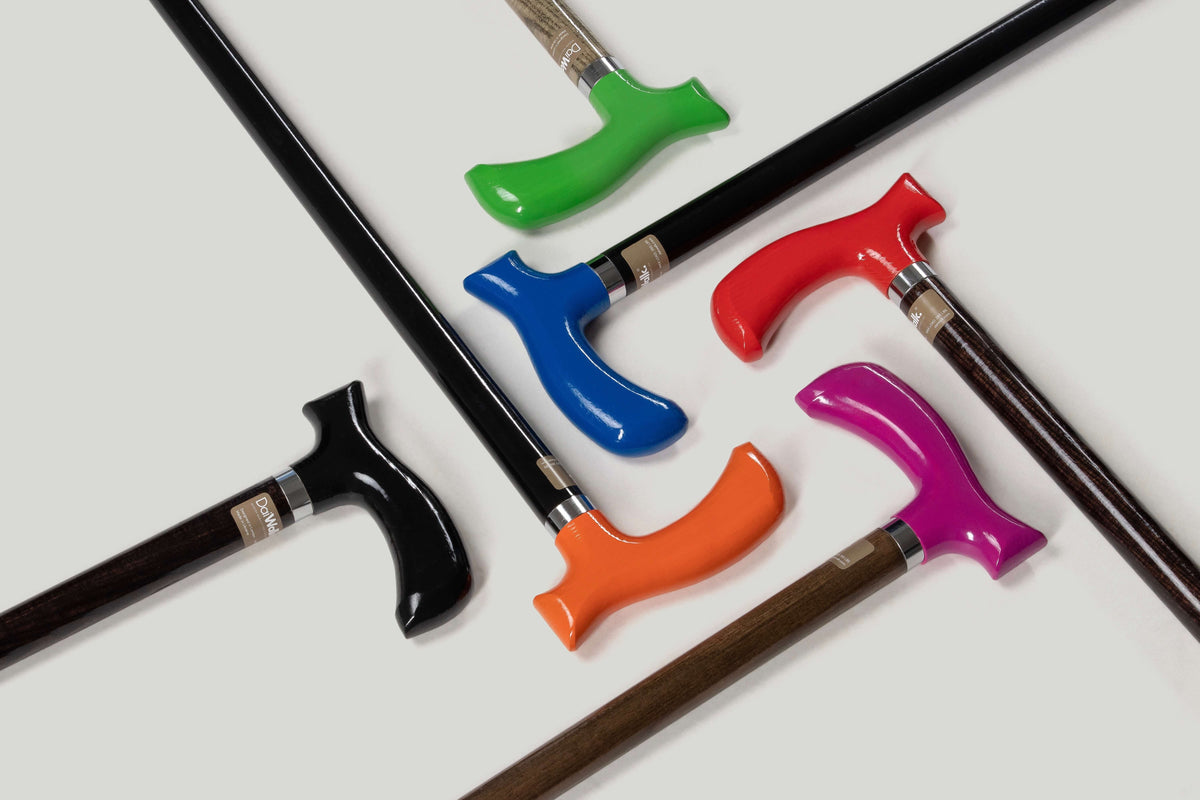
Explore DaiWalk walking canes. Related: Walking Cane for Achilles Tendinopathy | Walking Cane for Ankle Sprain.


