


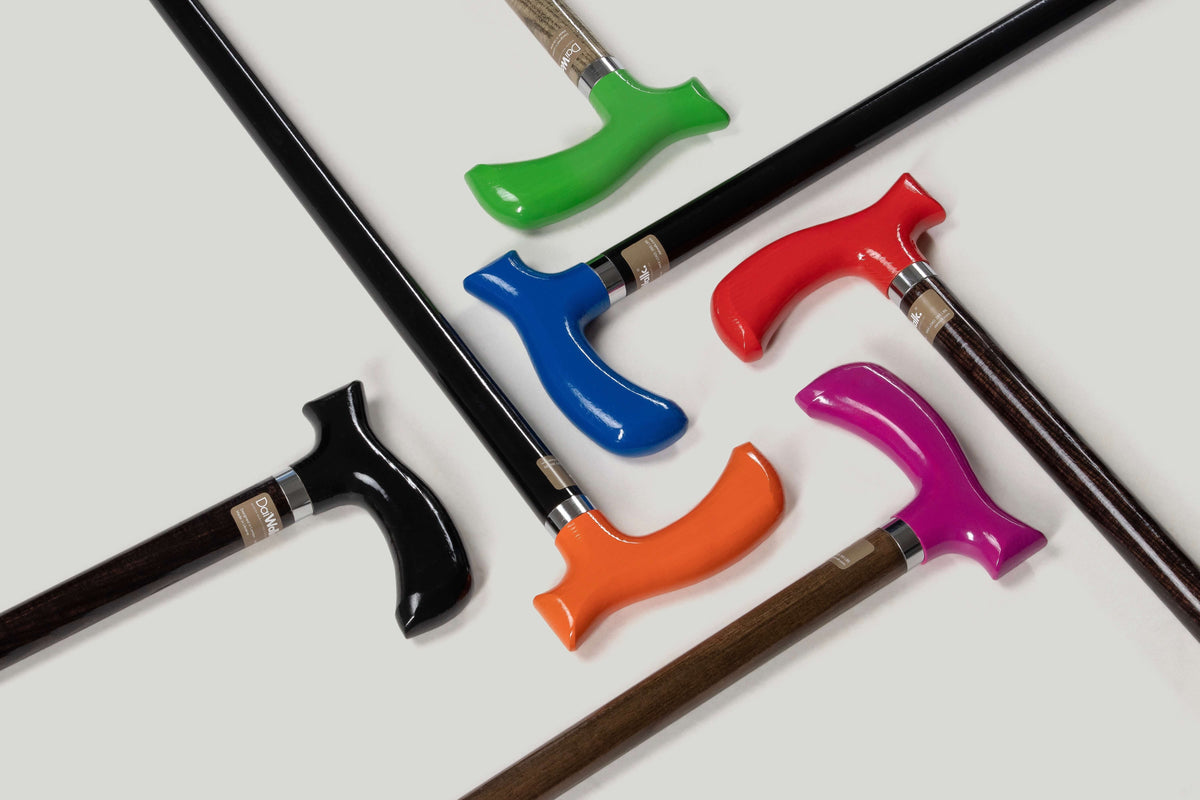
Osteoporosis is defined as reduced bone mineral density (BMD) at or below -2.5 standard deviations from the mean of a young adult reference population (T-score -2.5 or lower). It affects approximately 200 million people worldwide and is a major cause of fractures. The walking cane has two distinct roles in osteoporosis: fall prevention (preventing fractures from occurring) and post-fracture rehabilitation.
The Fracture Cascade in Osteoporosis
Osteoporosis creates a fracture cascade mechanism that walking aid use can interrupt:
- Vertebral fractures: Compression fractures of the vertebral bodies cause height loss, progressive kyphosis (stooped posture), and altered centre of gravity -- increasing the risk of future falls
- Wrist fractures (Colles fractures): A fall forward onto an outstretched hand is a low-energy fracture in osteoporosis. Ironically, a cane in the same hand that would catch a forward fall could itself contribute to a fall-catch wrist fracture
- Hip fractures: The most serious osteoporotic fracture -- associated with 20-30% one-year mortality and 50% long-term functional decline. A fall sideways in a person with osteoporotic hip bone causes femoral neck or intertrochanteric fracture with comparatively low force
Fall Prevention as the Primary Goal
The most important intervention in osteoporosis is preventing falls rather than increasing bone density, because even with treatment the absolute increase in bone density is modest (typically 3-8% over several years). A walking cane that prevents even a single hip fracture in an osteoporotic patient has a profound impact on outcomes -- potentially the difference between independence and permanent care facility placement.
Cane Use and Vertebral Fracture Kyphosis
Progressive vertebral fracture kyphosis in osteoporosis creates a specific cane length challenge:
- As the thoracic spine curves forward, the normal upright posture that determines wrist crease height is progressively replaced by a stooped posture
- The cane length must be calibrated to the patient actual walking posture (kyphotic, forward-lean), not an artificially upright position
- A cane that is the correct length for an upright posture will be too long for the same patient once significant kyphosis develops -- the patient effectively becomes shorter in their functional walking stance
Osteoporosis Treatment and Walking Safety
Bisphosphonates (alendronate, risedronate, zoledronic acid), denosumab, and romosozumab reduce fracture risk by increasing BMD and improving bone microarchitecture. However, the fracture risk reduction, while significant, does not eliminate fracture risk -- a cane providing fall prevention remains valuable even in treated osteoporosis.
Osteoporosis and Cane Use: Summary
| Situation | Primary Risk | Cane Role |
|---|---|---|
| Osteoporosis, no previous fracture | Fall leading to first fracture | Primary fall prevention |
| After vertebral fracture | Kyphosis, altered COG, further fractures | Balance support, adjusted length for kyphosis |
| After hip fracture (rehabilitation) | Re-fracture, limited walking recovery | Standard post-arthroplasty or post-fracture cane protocol |
| On bisphosphonate treatment | Reduced but not eliminated fracture risk | Cane still valuable for fall prevention |
Explore the DaiWalk cane collection or use the cane length calculator. Related: Walking Cane and Kyphosis Posture | Walking Cane and Fall Psychology


