


The vestibular system -- the inner ear balance organs and their connections to the brainstem and cerebellum -- is the primary sensor for head position and motion during walking. When the vestibular system is damaged or malfunctions, the brain receives inaccurate or conflicting information about body position, causing dizziness, vertigo, and balance impairment. Walking with a vestibular disorder is a qualitatively different experience from walking with musculoskeletal pain or weakness.
Types of Vestibular Disorder Relevant to Walking
- BPPV (Benign Paroxysmal Positional Vertigo): The most common vestibular disorder. Displaced calcium carbonate crystals (otoconia) in the semicircular canals cause brief (seconds) intense spinning vertigo triggered by specific head movements. Walking itself may not trigger BPPV episodes, but incidental head movements during walking (looking sideways, looking up) can. BPPV responds to repositioning manoeuvres (Epley manoeuvre) and typically resolves. A cane is most useful in the acute BPPV period before manoeuvres are successful
- Vestibular neuritis and labyrinthitis: Acute inflammation of the vestibular nerve (neuritis) or inner ear (labyrinthitis) causes sustained, severe vertigo lasting days to weeks. The acute phase is severely disabling -- walking is impossible without support. A cane is essential during acute vestibular neuritis/labyrinthitis and the recovery period (weeks to months)
- Meniere disease: Episodes of vertigo, hearing loss, and tinnitus. During acute Meniere attacks, standing and walking are severely impaired. Between attacks, walking may be normal or near-normal with mild residual imbalance. Cane use during and around attacks
- Chronic bilateral vestibular hypofunction: Loss of function in both vestibular organs (from ototoxic drugs, autoimmune, or idiopathic causes). Causes permanent imbalance and oscillopsia (visual instability during walking). A walking cane is a long-term aid in bilateral vestibular hypofunction
- Persistent Postural-Perceptual Dizziness (PPPD): A functional vestibular disorder causing chronic dizziness and unsteadiness on visual stimulation and movement. Often follows an acute vestibular event. A cane may provide grounding and reduce the anxiety component
How a Cane Helps Vestibular Disorders
The mechanism is different from musculoskeletal conditions:
- The cane provides a supplementary somatosensory (touch) signal through the hand and arm. This additional sensory input helps the brain cross-reference conflicting vestibular signals -- essentially adding a third sensory stream (somatosensory, via the cane) to the already available visual and proprioceptive signals
- Studies of vestibular patients show that additional tactile contact (even light touch of a finger on a wall or pole) substantially reduces body sway -- a cane provides this contact during walking rather than only during standing
Vestibular Disorder and Cane Use Summary
| Condition | Walking Impact | Cane Duration |
|---|---|---|
| BPPV (acute) | Brief vertigo on head movement during walk | Short-term (weeks); until manoeuvres successful |
| Vestibular neuritis (acute) | Severe sustained vertigo, cannot walk alone | Essential; weeks to months as compensation develops |
| Meniere disease (attacks) | Severe during attack; near-normal between | During and around attacks; optional between attacks |
| Bilateral vestibular hypofunction | Permanent imbalance and oscillopsia | Long-term; vestibular rehab supplements |
| PPPD | Chronic dizziness and unsteadiness | During symptom flares; anxiety-reduction role |
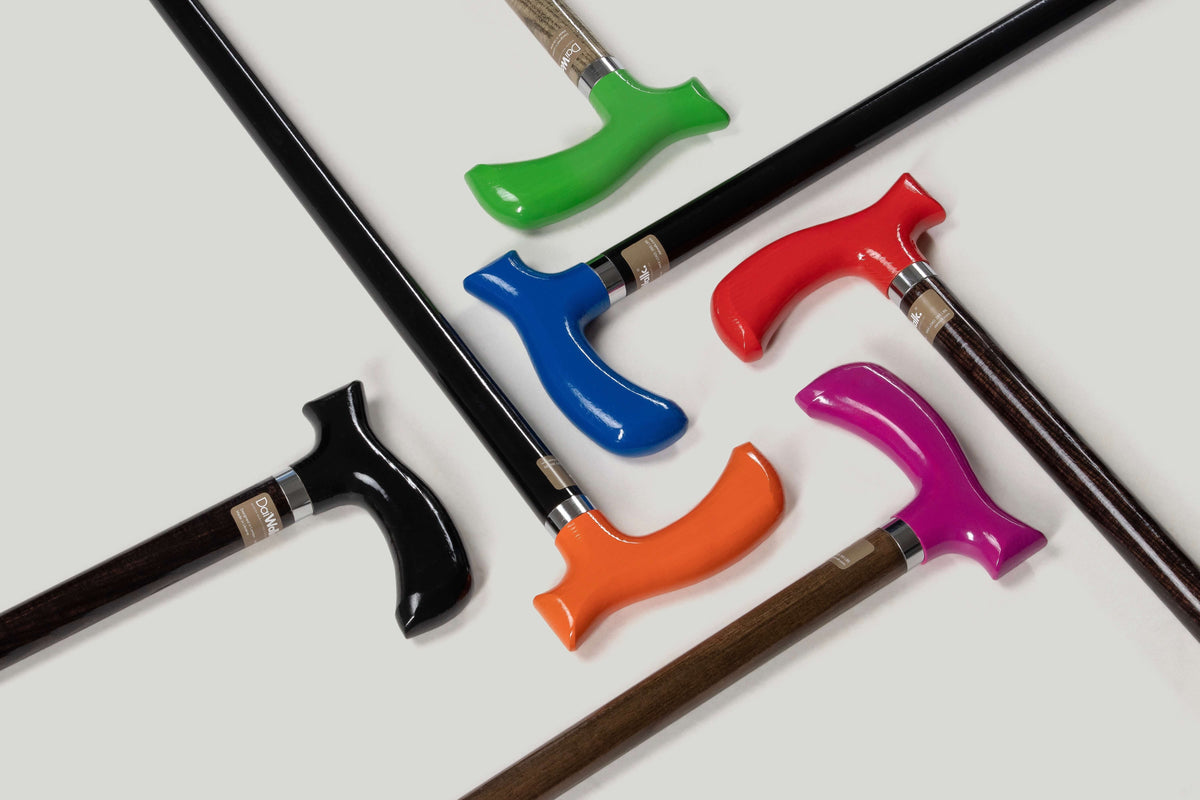
Explore the DaiWalk cane collection. Related: Walking Cane for BPPV | Walking Cane and Fall Psychology


