


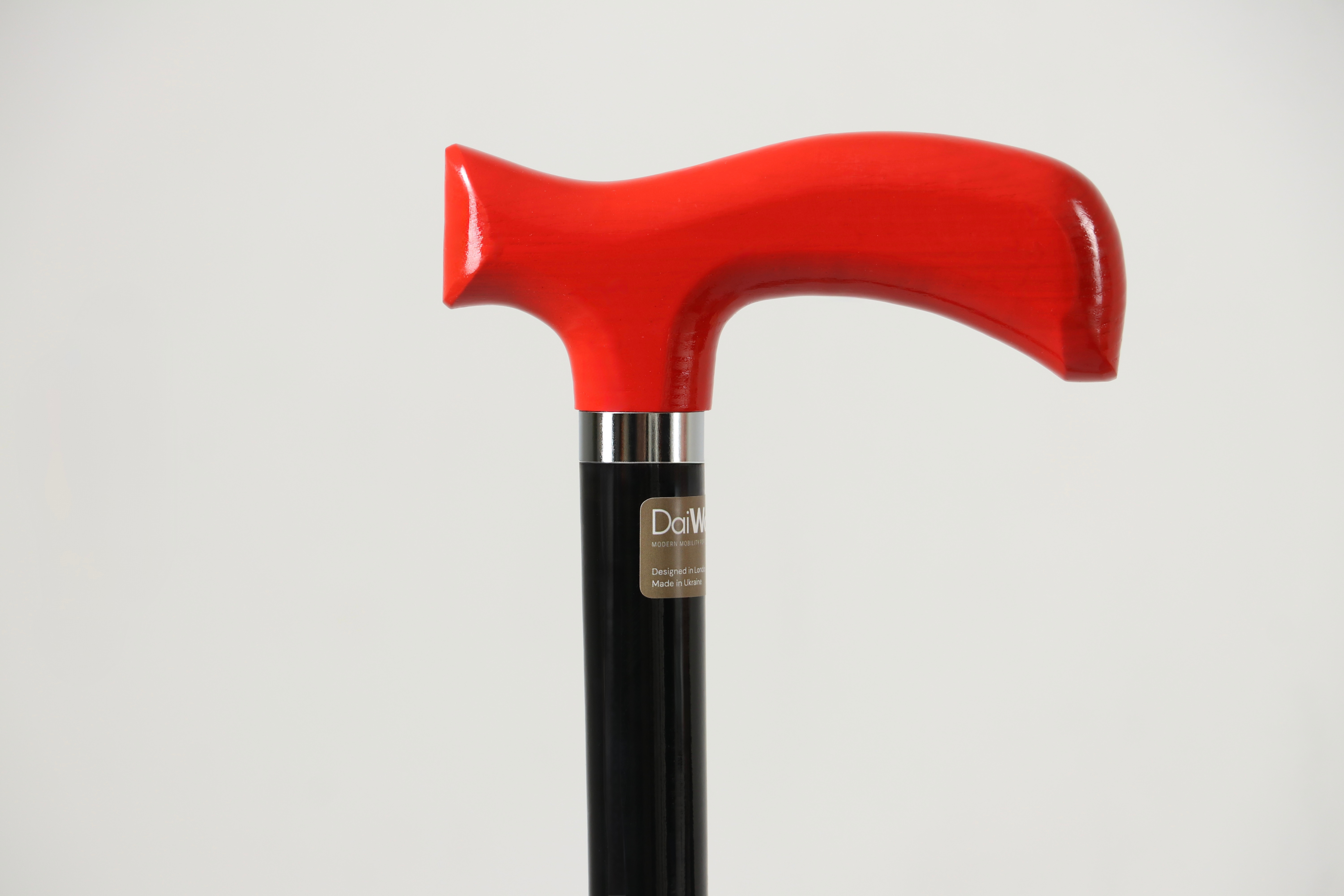
For decades, the mobility aid industry has operated under a single, utilitarian philosophy: function over form. If a tool helped a person walk, its job was done. However, this narrow focus ignores a fundamental aspect of human psychology—our identity is inextricably linked to the objects we carry. For many, the transition to using a walking aid is met with resistance, not because of the physical assistance it provides, but because of the "medical patient" stigma attached to traditional designs. This is where the profound shift from clinical medical devices to intentional designer canes begins.
In this comprehensive guide, we will explore why the distinction between a standard medical cane and a designer mobility tool is more than just skin deep. We will delve into the ergonomics of high-quality materials like genuine leather and natural rubber, the psychological impact of color, and why choosing a cane that reflects your personal style is a vital step in maintaining your independence and mental well-being. Whether you are recovering from surgery or managing a long-term condition, understanding how aesthetics influence your mobility journey will empower you to reclaim your stride with confidence.
1. The Psychological Shift: From "Patient" to "Individual"
The primary difference between a medical cane and a designer cane lies in the intent of the design. A medical cane, often found in pharmacies or hospitals, is designed to be a mass-produced, low-cost solution. It is typically made of cold, grey aluminum with a hard plastic handle. Its visual language shouts "injury" or "frailty." When a person uses such a device, they often feel they are being defined by their limitation rather than their personality.
Designer canes, like those developed at Redefining the Walking Cane, prioritize the user's dignity. By incorporating minimalist aesthetics and vibrant colors, these tools transform from a "crutch" into an accessory. This shift is crucial for psychological health. Studies show that when individuals feel good about the tools they use, they are more likely to use them consistently. Consistency in using a mobility aid reduces the risk of falls and prevents the secondary back pain often associated with improper gait. For more on this, see our guide on how to use a walking cane correctly.
Aesthetics matter because they eliminate the "invisible barrier" to mobility. If you love how your cane looks—perhaps featuring a semi-bold, narrow silhouette and a striking Tiffany Blue finish—you carry it with pride. You aren't just a person with a cane; you are a person with style who happens to use a cane.

2. Ergonomics and Material Science: More Than Meets the Eye
While medical canes focus on the bare minimum of stability, designer canes invest heavily in the tactile experience. A standard medical handle is often made of generic plastic or foam that degrades over time, becoming slippery or sticky. In contrast, a premium designer cane utilizes materials that respect the human hand.
The Role of Natural Rubber and Genuine Leather
At DaiWalk, we believe that the point of contact between the user and the device is sacred. Medical-grade canes often ignore the micro-vibrations that travel up the arm with every step. By using natural rubber with specific solid color fills, designer canes provide superior shock absorption. Furthermore, the integration of genuine leather components offers a "living" grip that breathes and conforms to the user's hand over time, preventing the calluses and discomfort common with cheap alternatives.
Precision Engineering
Precision isn't just for luxury cars; it's for mobility. Designer canes often feature standardized dimensions (like 25mm diameters) that allow for a perfectly balanced weight distribution. When a cane is balanced correctly, it feels lighter in the hand, reducing fatigue during long walks. This technical precision ensures that the "aesthetic" choice is also the most "functional" choice for your body's biomechanics.

3. Comparison: Medical Canes vs. Designer Canes
To better understand the value proposition of a designer mobility aid, let's look at the functional and aesthetic differences side-by-side:
| Feature | Standard Medical Cane | DaiWalk Designer Cane |
|---|---|---|
| Materials | Aluminum, Hard Plastic, Foam | Genuine Leather, Natural Rubber, High-Grade Alloys |
| Visual Impact | Clinical, Institutional, "Old" | Minimalist, Modern, Fashion-forward |
| Customization | Limited (Grey, Black, Bronze) | Vibrant colors (RAL 1023, Tiffany Blue, Red) |
| Longevity | Temporary / Disposable feel | Built for lifetime use and durability |
| Ergonomics | Basic weight support | Advanced shock absorption and anatomical grip |
4. The Importance of Color and Identity
Color is not just a visual preference; it is a form of communication. In the world of medical devices, the lack of color is intentional—it’s meant to be "unobtrusive." But for many users, this lack of color feels like an erasure of their personality. Designer canes embrace color theory to enhance the user experience.
For instance, a Traffic Yellow (RAL 1023) or a Fuchsia cane doesn't just help you walk; it makes a statement about your energy and vitality. It changes the conversation from "What happened to you?" to "Where did you get that amazing cane?" This social shift is one of the most significant benefits of choosing a designer option. It allows the user to maintain control over their social narrative.
Furthermore, safety is improved through visibility. A bright, designer cane is more easily seen by drivers and pedestrians, providing an extra layer of protection that a drab, grey medical cane cannot offer. When selecting your accessory, don't forget the importance of a secure attachment; learn how to choose a durable strap to complete your setup.

5. Durability and the "Cost Per Use" Argument
A common misconception is that designer canes are a "luxury" that provides the same utility as a cheaper medical version. This ignores the reality of durability. Most medical canes are built for short-term recovery. Their joints loosen, their tips wear down quickly, and the finishes chip. Over a year of daily use, a user might go through three or four cheap canes.
A designer cane is an investment in long-term mobility. By using high-quality materials and avoiding the "mass-market" shortcuts, these canes offer a significantly lower cost-per-use over time. They are designed to withstand the rigors of global travel, daily urban commutes, and various weather conditions without losing their aesthetic appeal or structural integrity. When you choose quality, you are choosing a companion that won't fail you when you need it most.
6. Reclaiming Independence with Style
Ultimately, the difference between medical and designer canes is about the "Why." Why do we walk? We walk to explore, to connect, and to live. Our tools should reflect that zest for life. Aesthetics matter because they bridge the gap between "needing help" and "living fully."
By choosing a cane that matches your wardrobe, your favorite colors, and your high standards for design, you are making a choice for your mental health. You are refusing to fade into the background. You are choosing to walk with your head held high, supported by a tool that is as beautiful as it is functional.
Frequently Asked Questions (FAQ)
1. Are designer canes as safe as medical canes?
Yes, and often they are safer. While they look better, designer canes like DaiWalk are engineered to the same or higher structural standards as medical devices, often featuring superior grip materials and better balance.
2. Why is genuine leather better than foam for a cane handle?
Foam absorbs sweat and bacteria, eventually breaking down and becoming slippery. Genuine leather is durable, provides a natural non-slip grip, and actually becomes more comfortable as it molds to your hand shape.
3. Can I use a designer cane for heavy-duty support?
Absolutely. High-quality designer canes are built from robust alloys and solid materials that can support significant weight, making them suitable for both style and serious mobility needs.
4. How do I choose the right height for a designer cane?
Most designer canes are either custom-sized or adjustable. The rule of thumb is that the handle should reach the crease of your wrist when you are standing straight with your shoes on.
Ready to upgrade your mobility?
Experience the perfect blend of ergonomics and minimalist design.


