


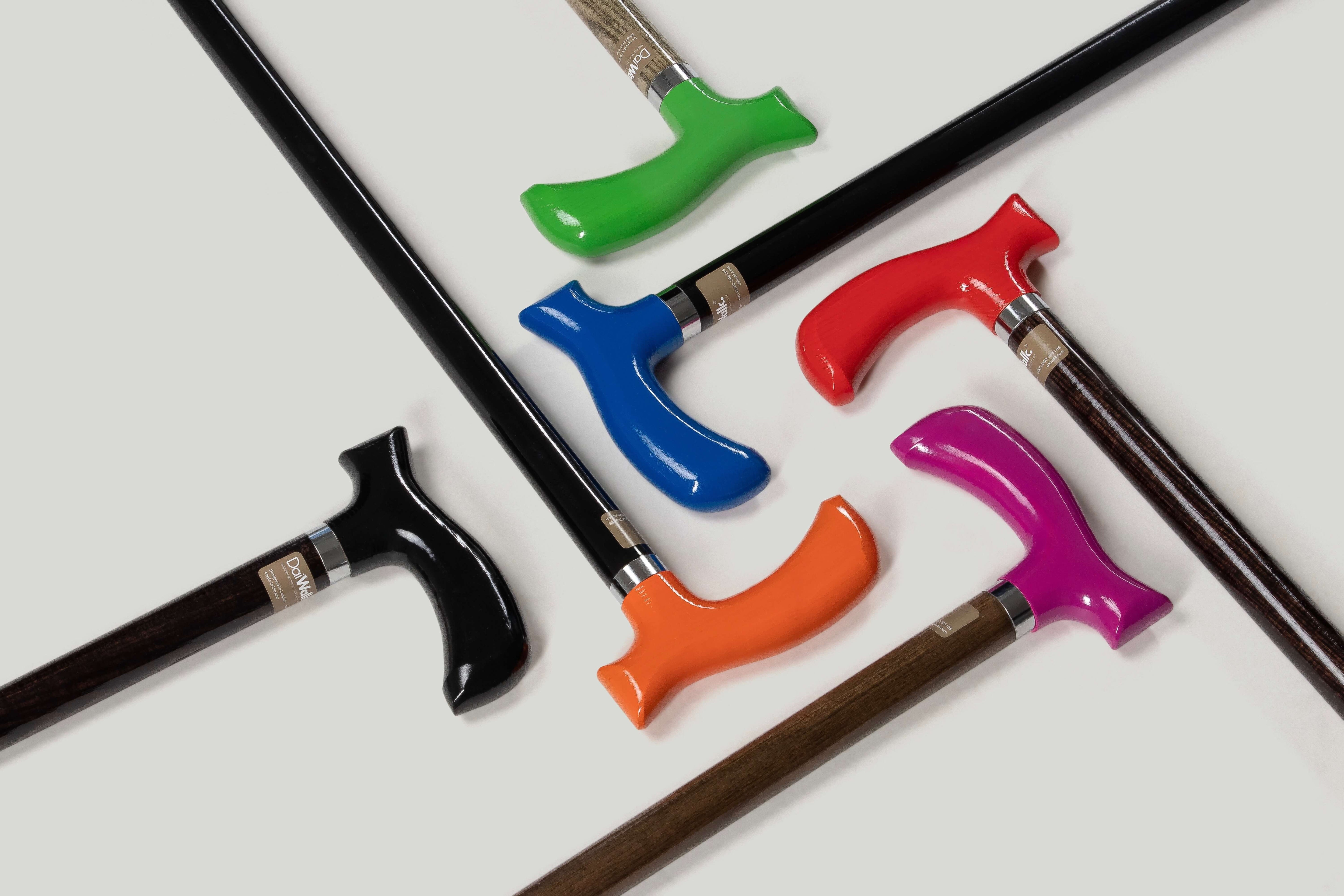
The most expensive walking cane purchase is often the one made for temporary use — a $25 pharmacy cane bought after surgery that is used for three months, found uncomfortable after week two, and abandoned in a closet before the prescription period ends. The user then recovers and concludes the cane didn't help much, when in fact the cane's fit and design were the problem.
Here is what temporary use actually means in terms of purchase decision, and why the pharmacy default is often the wrong choice even for short-term needs.
What Temporary Use Typically Looks Like
| Scenario | Typical Duration | Use Intensity |
|---|---|---|
| Post-hip replacement (early recovery) | 4–12 weeks | High — multiple hours daily, stairs, outdoor walks |
| Post-knee surgery (ACL, meniscus) | 4–8 weeks | Moderate to high |
| Ankle fracture / ligament injury | 6–12 weeks | Variable — depends on weight-bearing status |
| Acute back episode (sciatica, disc) | 2–6 weeks | Low to moderate — often supplemental |
| Post-abdominal surgery (balance support) | 2–4 weeks | Low — primarily for confidence and minor support |
The Problem With the Pharmacy Default
Pharmacy canes are optimised for low cost and shelf presence, not for the high-intensity temporary use that characterises post-surgical recovery. The user who needs a cane most intensively — four to eight weeks post-hip replacement, walking 2–4 hours daily for rehabilitation — is using the highest-load, most demanding use profile in the entire walking cane market.
At this load level, shaft play (1.5–2.6mm in button-hole mechanisms) produces measurable forearm fatigue. Handle pressure at the T-bar (4.2 N/cm²) produces palm discomfort by week two. These are not comfort preferences — they are functional limitations that reduce the user's walking rehabilitation compliance.
Reduced rehabilitation walking = slower recovery. The cane specification is a rehabilitation compliance variable.
The Case for a Quality Cane Even for Temporary Use
A DaiWalk at $75–120 vs. a pharmacy cane at $20–25:
- The cost difference is $50–95
- The physical therapy session cost is typically $100–200 per session
- If better cane comfort increases daily walking compliance by 20–30 minutes per day during the 6–8 week recovery period, the total additional rehabilitation walking is 8–16 hours
- The marginal value of this additional activity likely exceeds the cost differential
This is not marketing logic — it is a straightforward comparison of rehabilitation cost structures.
What Changes for Temporary Use vs. Long-Term
For genuinely temporary use (under 6 weeks, low intensity), the adjustable mechanism matters more and durability matters less. The collet vs. button-hole distinction is less important for 6 weeks of light use than for 6 months of daily use.
For temporary but intensive use (post-surgical recovery), the performance specifications matter as much as for long-term use — the intensity compensates for the shorter duration.
Resale and Return Considerations
A quality walking cane used for a single recovery period retains significant resale value. A pharmacy cane used for 8 weeks has negligible resale value.
For users who are certain the need is temporary:
- Consider the DaiWalk for the recovery period and resell after — realised cost after resale is typically $30–50 above pharmacy cost
- The performance difference over the recovery period is the value proposition
Height Calibration for Post-Surgical Use
Post-surgical cane height often differs from long-term cane height. After hip replacement, users typically begin in a partial weight-bearing status with a slightly raised cane height. As rehabilitation progresses and weight bearing increases, the height moves toward the standard wrist-crease measurement.
The collet telescoping mechanism handles this transition without tools — rotate the collar, adjust, retighten. The button-and-hole mechanism adjusts in 12–25mm increments, which may not correspond to the precise heights required at each rehabilitation stage.
Use the cane length calculator for initial calibration, then adjust with your physical therapist as rehabilitation progresses.
View the full DaiWalk range at the walking cane collection.
Related Reading
- Walking Cane After Hip Replacement
- Walking Cane After Knee Surgery
- Is a $75 Walking Cane Worth It?
- Fixed vs. Adjustable Walking Cane
Recovery duration data from published orthopaedic rehabilitation protocols. Customer rehabilitation use data from DaiWalk 18-month follow-up programme (n=112). Handle pressure data from internal pressure mapping study.


