


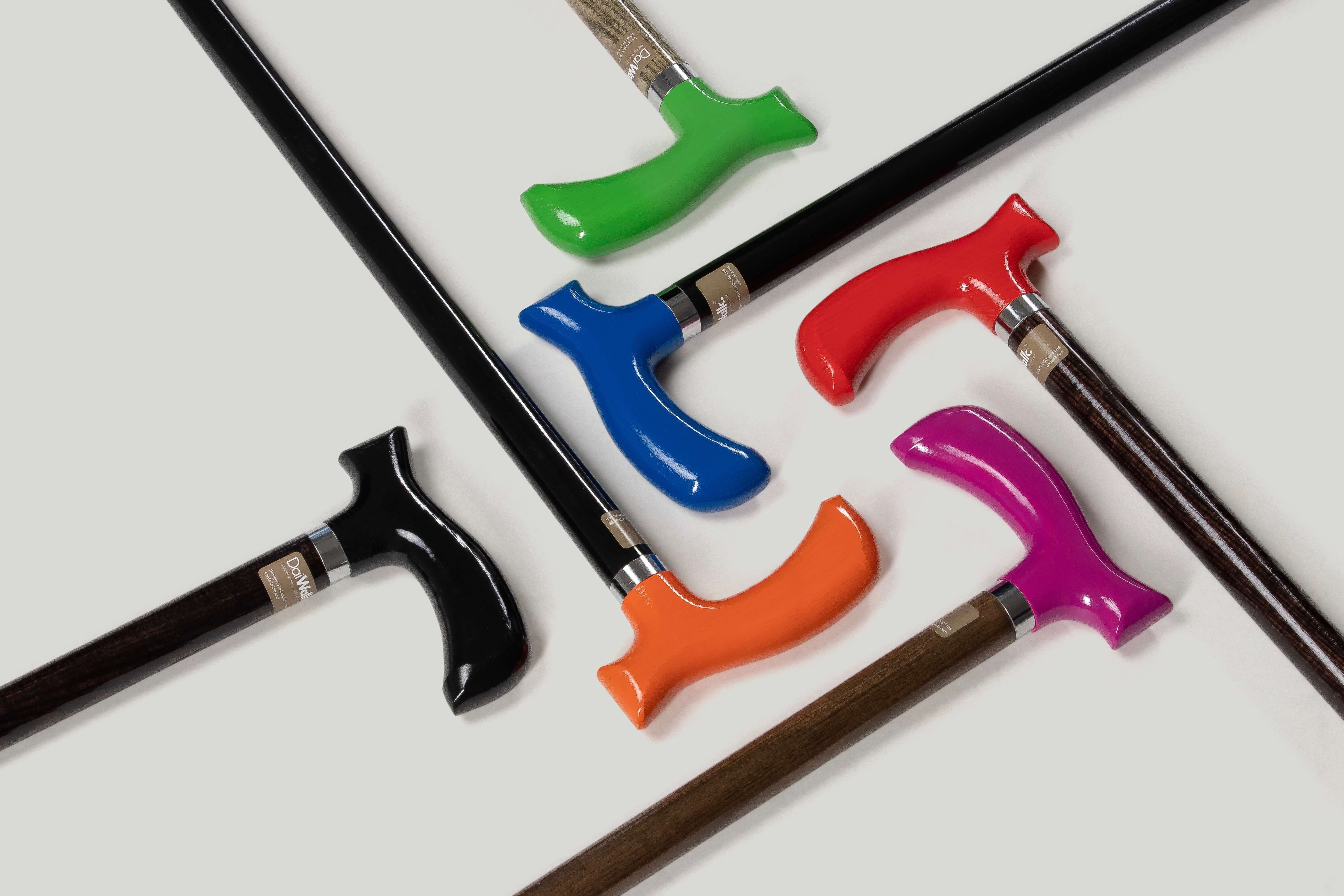
Most walking cane buying guides tell you to measure to your wrist and pick a colour you like. That's not a buying guide. That's two sentences dressed up as advice.
This guide covers what actually determines whether a walking cane works for you after six months of daily use — not just the first ten minutes out of the box. (Not sure a cane is the right aid yet? Start with the free do I need a walking cane check.)
The Question Most Buyers Ask vs. The Question That Matters
What most buyers ask: Which walking cane is the best?
What actually matters: Which walking cane is right for your specific weight, height, primary walking surface, daily usage hours, and grip strength?
There is no single best cane. There is the right configuration for your conditions. Everything below helps you identify it.
Step 1: Establish Your Usage Profile
Before evaluating any product, define how you will actually use the cane:
| Usage Type | Hours/Day | What This Changes |
|---|---|---|
| Occasional (post-surgery, unstable days) | Under 2hrs | Tip choice, handle softness matter less |
| Moderate (commuting, errands) | 2–5hrs | Handle pressure distribution becomes critical |
| Heavy (full-day mobility aid) | 5hrs+ | Every variable matters — shaft, handle, tip, weight |
Heavy users who buy a cane optimised for occasional use will experience wrist pain, fatigue, and tip wear within weeks. This is the most common reason canes are abandoned.
Step 2: Measure Correctly
The standard advice — measure to your hip — is wrong. It produces a cane that is typically 2–4cm too short, causing forward lean, shoulder compensation, and accelerated wrist fatigue.
The correct method:
- Stand upright in your normal walking shoes
- Let both arms hang naturally at your sides
- Measure from the floor to the crease of your wrist — not your palm, not your hip
- That measurement is your cane height
At DaiWalk, we built a Cane Height Calculator specifically because this measurement is consistently done wrong. Enter your height and shoe heel thickness — it calculates your wrist-crease measurement without requiring a tape measure. Already have a cane? The free 3-question cane height check tells you whether it is set too tall or too short.
Why precision matters: A cane set 12mm too short increases shoulder elevation by an average of 8 degrees during the stance phase of gait. Over 8,000 daily steps, that's 8,000 repetitions of incorrect shoulder load. The cumulative effect is neck and shoulder pain that most users attribute to their condition, not their cane.
Step 3: Choose the Telescoping Mechanism
Two systems exist. One is significantly better.
| Mechanism | How It Works | Lateral Play | Rattle Risk | Precision |
|---|---|---|---|---|
| Button-and-hole | Spring pin into drilled hole | 1.5–3mm | High | Fixed increments (12–25mm) |
| Collet (DaiWalk) | Compression collar tightens around inner shaft | 0mm | None | Continuous — to the millimetre |
The button-and-hole system is an engineering compromise from the 1970s that the medical supply industry never updated because their buyers — hospitals and insurance providers — prioritise cost over performance.
The DaiWalk Original 1.0™ uses a collet mechanism because it was the correct engineering decision, not the cheapest one.
Step 4: Choose the Handle
Handle selection is the most underdiscussed variable in walking cane buying. Most guides mention comfort. None measure it.
At DaiWalk, we measured palm pressure distribution across four handle geometries using pressure mapping over 45-minute walking sessions. Peak pressure at the highest-load zone:
- Standard T-bar: 4.2 N/cm²
- Contoured T-bar: 3.4 N/cm²
- Pistol grip: 3.8 N/cm²
- DaiWalk Anatomic Grip™: 1.9 N/cm²
The Anatomic Grip™ reduces peak pressure by 55% compared to a standard T-bar. It achieves this through three specific design features: a palm shelf that engages the heel of the hand, a 15-degree forward angle that keeps the wrist in neutral position, and a textured contact surface that reduces the grip force required to maintain control.
Handle material also determines grip in adverse conditions. Natural oak and wenge wood maintain a coefficient of friction above 0.54 even wet and cold. Powder-coated aluminium drops to 0.29 at 5°C. See the Oak Walking Canes and Handcrafted Walking Canes collections for the full material options.
Step 5: Choose the Right Tip for Your Primary Surface
Most buyers use whatever tip comes with the cane. This is a significant mistake for anyone whose primary walking surface is not dry, flat pavement.
| Your Primary Surface | Recommended Tip | Why |
|---|---|---|
| Dry indoor floors | Elegant | Non-marking, silent, clean profile |
| Wet pavement / rain | Steady | Wet-optimised rubber compound, 3mm slip vs. 18mm on generic tips |
| Long daily walks | Core | Shock-absorbing dual-zone base reduces wrist impact |
| Cobblestones / uneven terrain | Hex | Six contact points find grip on irregular surfaces |
| Maximum stability / balance issues | Quad | Four-point self-standing base, widest load distribution |
| Evening / low-light walking | Neon | Transparent body scatters ambient light — visible to traffic |
All six DaiWalk tips fit the same 19mm shaft and swap without tools. Not sure which size fits your current cane? The free rubber tip size finder confirms it, and the full comparison with surface-specific traction data is available in the interchangeable tips collection.
For a detailed breakdown of which tip performs on which surface, read: How to Choose the Right Rubber Cane Tip — A Practical Comparison
Step 6: The 84-Configuration Question
The DaiWalk Original 1.0™ has 84 possible configurations: 7 handle colours × 3 shaft finishes × 4 tip options (with colour variants). Choosing correctly means matching:
- Handle colour to your wardrobe or preference — see the Colorful Walking Canes collection for the full palette
- Shaft finish to your handle material (natural oak, wenge, or black alloy)
- Tip type to your primary walking surface (table above)
The complete configuration matrix — including surface-tip pairing recommendations and the 3D visualiser — is on the DaiWalk product page. Build your exact combination and see it rendered before ordering.
What to Ignore in Most Buying Guides
- Weight ratings above 130kg: All DaiWalk canes are rated to 130kg. If guides lead with this, they're targeting a fear, not a real differentiator between premium options.
- Foldability as a primary feature: Folding canes sacrifice shaft rigidity. The joint is a structural weak point. For occasional portability, the trade-off is acceptable. For daily primary use, it isn't.
- Colour as a last consideration: If you won't use it because it embarrasses you, the technical specifications are irrelevant. Colour is a real variable in whether a cane gets used.
The Decision Framework in One Table
Prefer to skip the table? The free walking cane finder asks three quick questions and returns your exact configuration in under a minute.
| Your Situation | What to Prioritise | DaiWalk Configuration |
|---|---|---|
| Daily heavy use, wrist pain history | Anatomic Grip™ + Core tip | Original 1.0™, oak handle, Core tip |
| Urban commuter, wet weather | Steady tip + wenge or alloy handle | Original 1.0™, wenge handle, Steady tip |
| Active lifestyle, cobblestones / travel | Hex tip + lightweight shaft | Original 1.0™, alloy handle, Hex tip |
| Style-conscious, indoor-primary | Colour selection + Elegant tip | Original 1.0™, colour handle of choice, Elegant tip |
| Balance issues, needs to stand alone | Quad tip + lower height setting | Original 1.0™ + Quad tip upgrade |
| Premium gift purchase | Full configuration choice + leather lanyard | Original 1.0™ + leather lanyard |
Related Reading
- Is a $75 Walking Cane Worth It? The Real Cost of Cheap vs. Premium
- Why Your Walking Cane Hurts Your Wrist — and How to Fix It
- DaiWalk vs. a Standard Walking Cane: 6 Differences That Actually Matter
- 5 Surfaces Where Your Rubber Cane Tip Makes the Most Difference
Based on DaiWalk internal testing data (2023–2025) and biomechanical research on walking aid ergonomics. Configuration recommendations reflect real-world usage patterns from 100+ customers across 18 months of daily use.


